Billionaire philanthropist Melinda French Gates has drawn national attention to the financial and emotional challenges facing millions of American women after responding to a viral Saturday Night Live comedy sketch about caring for aging parents.
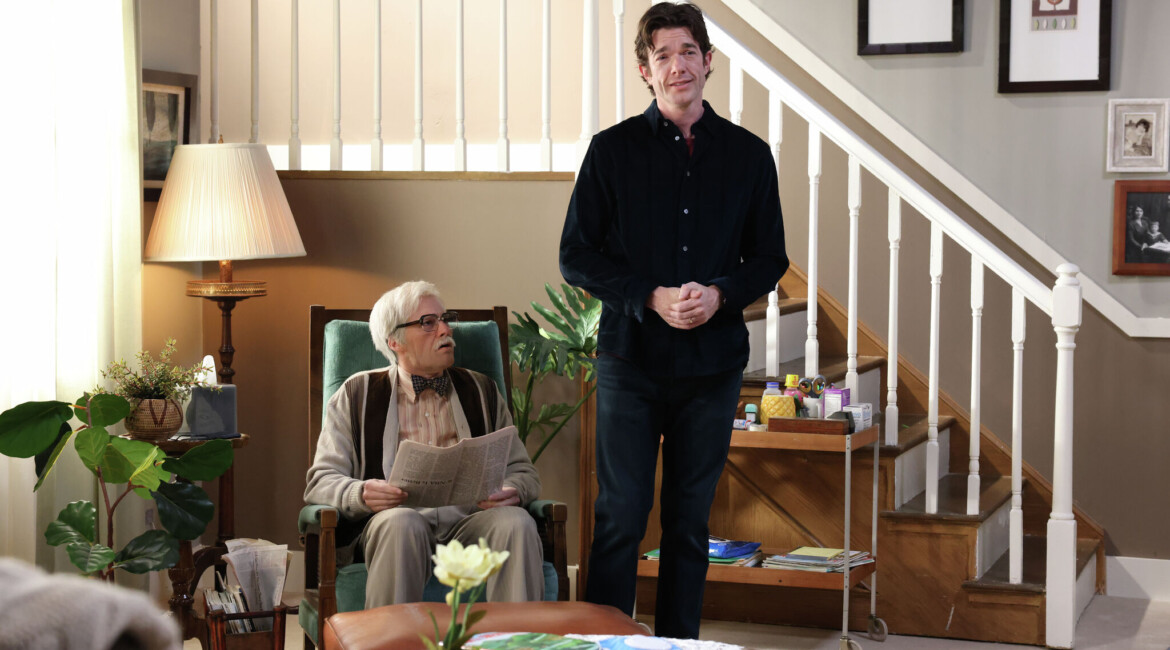
The sketch, featuring comedian John Mulaney, presents a fictional eldercare service called “Sister,” which promises families around-the-clock assistance without the expense of professional caregivers. The joke is that the service is simply a daughter or sister expected to sacrifice her own time, career and financial security.
French Gates used the sketch to highlight a serious economic problem: unpaid family caregiving disproportionately falls on women, often with lasting consequences. The November 14 episode of Saturday Night Live attracted widespread attention because its fictional scenario closely resembled the experiences of American families.
In the parody advertisement, Mulaney portrays a man who can continue his normal life because his sister assumes responsibility for their aging father. The sketch exaggerates familiar family expectations, but French Gates argued that the underlying reality is supported by research.
Using findings shared through Pivotal, her investment and philanthropic organization, she examined several claims from the comedy segment. Her conclusion was that much of the supposedly absurd situation reflects genuine inequalities in American caregiving.
Research from AARP and the National Alliance for Caregiving indicates that women account for approximately three out of every five family caregivers. Among adults between 55 and 64, women are nearly 40% more likely than men to care for older relatives.
They are also significantly more likely to provide continuous assistance. These responsibilities can include managing medications, coordinating medical appointments, preparing meals, providing transportation and helping relatives with everyday activities.
Although this work is essential, it frequently receives little financial recognition. One of French Gates’ strongest arguments concerns the financial consequences of caregiving.
According to research cited in her analysis, 42% of women who voluntarily left their jobs in 2025 identified caregiving as their primary reason. Leaving employment can result in lost wages, interrupted professional advancement and reduced retirement savings.
Meanwhile, professional care remains prohibitively expensive for many families. Research cited by French Gates places the average cost of a home health aide above $6,600 per month. Continuous, 24-hour assistance can exceed $25,000 monthly.
These expenses help explain why families frequently depend on unpaid relatives rather than professional services. However, shifting the responsibility onto women does not eliminate the economic burden. It simply transfers that burden to caregivers.
Financial pressure represents only one aspect of the problem. The 2025 Caregiving in the U.S. report found that nearly two-thirds of caregivers experienced moderate or high emotional stress. Women reported particularly significant challenges.
Balancing employment, childcare, personal relationships and eldercare can create exhaustion and reduce opportunities for rest and financial independence. The consequences may continue long after caregiving responsibilities end.
Since leaving the Gates Foundation in 2024, French Gates has expanded her philanthropic focus on women’s health, economic opportunity and family well-being. Through Pivotal, she has supported initiatives intended to improve conditions for women. In June 2026, she announced an additional $215 million commitment to women’s health, bringing her contributions in that area to more than $600 million over two years. Her response to the comedy sketch reflects her broader commitment to addressing structural inequalities.
The United States faces increasing pressure to develop sustainable approaches to eldercare as families navigate rising costs and growing responsibilities. Unlike several other wealthy nations, the country lacks a universal federal paid family leave program or comprehensive public long-term care insurance.
The viral sketch has therefore helped bring a frequently overlooked economic issue into mainstream discussion. French Gates’ message is that family caregiving is never truly free. When women provide unpaid care, they often absorb the costs through lost income, reduced career opportunities, emotional exhaustion and diminished financial security.