

America's public transportation systems may be approaching a major technological transformation as Washington, D.C., and Los Angeles explore operating subway trains without human drivers. The proposals could reshape how millions of Americans travel, introducing automated technology designed to improve efficiency, reduce operating costs and modernize aging transportation infrastructure. Although driverless...
A 1,600-Ton Grape Glut Exposes a Growing Crisis for America’s Fruit Farmers

A Pennsylvania grape farmer is facing the possibility of watching roughly 1,600 tons of Concord grapes rot on the vine, a dramatic example of how changing consumer habits are reshaping one of America’s historic fruit-growing regions. Mark Terrell owns a 200-acre vineyard near North East, Pennsylvania, along the shores of...
Taiwan Deepens U.S. Ties With New Arizona Office as Semiconductor Investment Surges

Taiwan is expanding its economic and diplomatic presence in the United States with the opening of a new representative office in Phoenix, Arizona, as the island strengthens its relationship with one of America's most important semiconductor manufacturing hubs. Taiwanese Foreign Minister Lin Chia-lung traveled to Arizona for a three-day visit...
Iowa Lands $15 Billion Steel Megaproject as Trump Pushes a New Era of American Manufacturing
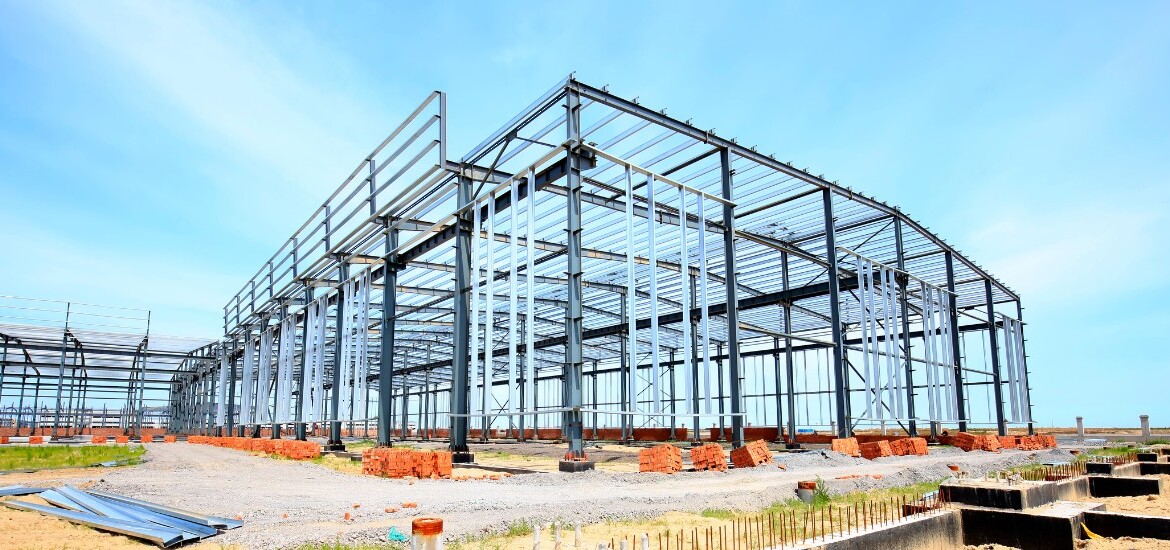
President Donald Trump has announced plans for a $15 billion steel complex in Iowa that could become one of the largest steelmaking facilities in the United States, giving his administration a major manufacturing investment to showcase as Republicans campaign ahead of the November midterm elections. The project will be developed...
America’s Billion-Dollar Stadium Boom Leaves Taxpayers Paying for Promises That Rarely Deliver

American cities and states continue spending billions of taxpayer dollars on professional sports stadiums despite decades of economic research finding that these investments rarely generate the jobs, income growth or tax revenue promised by teams and developers. The financial stakes are enormous. Professional sports leagues generate billions of dollars annually,...
Trump Turns to South Korea for $54 Billion Bet on Alaska’s Long-Delayed LNG Megaproject

President Donald Trump is preparing to unveil approximately $54 billion in proposed South Korean investment connected to Alaska’s massive liquefied natural gas project and other U.S. initiatives, potentially providing new momentum to an energy development that has been discussed for decades but repeatedly struggled with financing and commercial viability. The...
Record Fuel Prices Push States Toward Tax Relief as Election Day Approaches
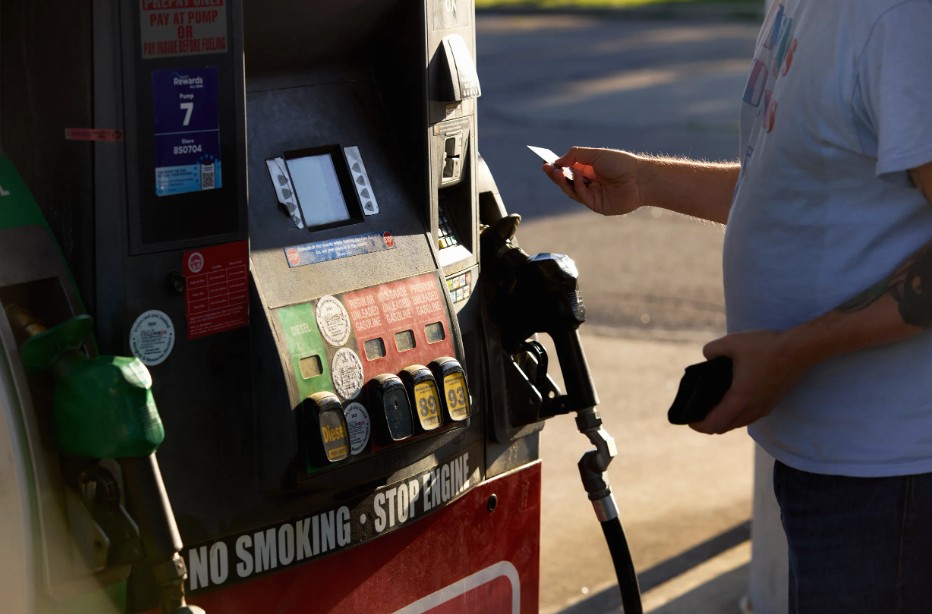
Record diesel prices and sharply higher gasoline costs are prompting state governments across the United States to consider suspending fuel taxes, as policymakers search for ways to provide immediate relief to households, truckers and businesses before the November midterm elections. The pressure comes after months of disruption in global energy...
McDonald’s Launches $8.5 Billion Reinvention as Competition and Changing Customers Challenge Its Fast-Food Empire

McDonald’s is preparing one of the largest transformations in its recent history, committing $8.5 billion over the next decade to strengthen its franchise restaurants, modernize operations and adapt its menu as competition intensifies and consumers become increasingly selective about where they spend their money. The investment is part of a...
Pablo Ferrer Saez and Capital Street Are Bringing Institutional-Level Market Expertise to a Wider Audience

As artificial intelligence continues to reshape the financial sector, veteran market professional Pablo Ferrer Saez is betting that the future of investing will be defined by a combination of technology, experience and greater accessibility. Ferrer Saez, founder of Capital Street, has spent more than 20 years working in financial markets,...
California’s Insurance Crisis Spreads Beyond Wildfire Zones as Homeowners Run Out of Options
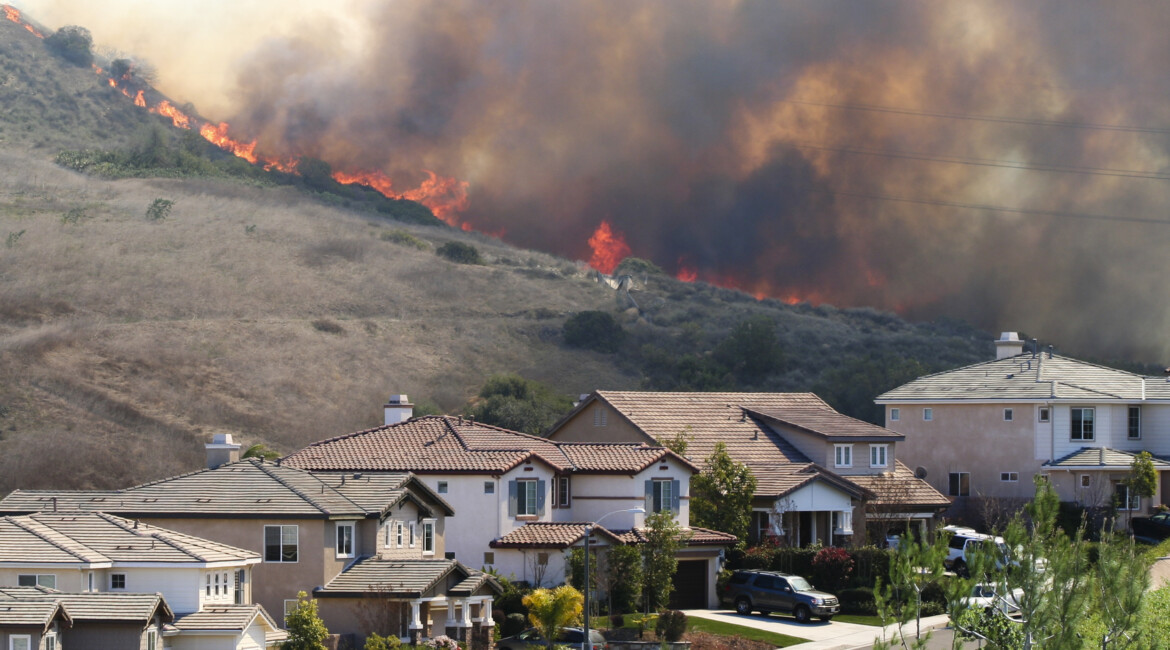
California’s property insurance crisis is expanding beyond the mountainous and heavily wooded communities traditionally considered most vulnerable to wildfires, leaving homeowners in relatively low-risk suburban neighborhoods struggling to obtain conventional coverage. An analysis of insurance data found that major insurers are increasingly declining to write policies across large portions of...